

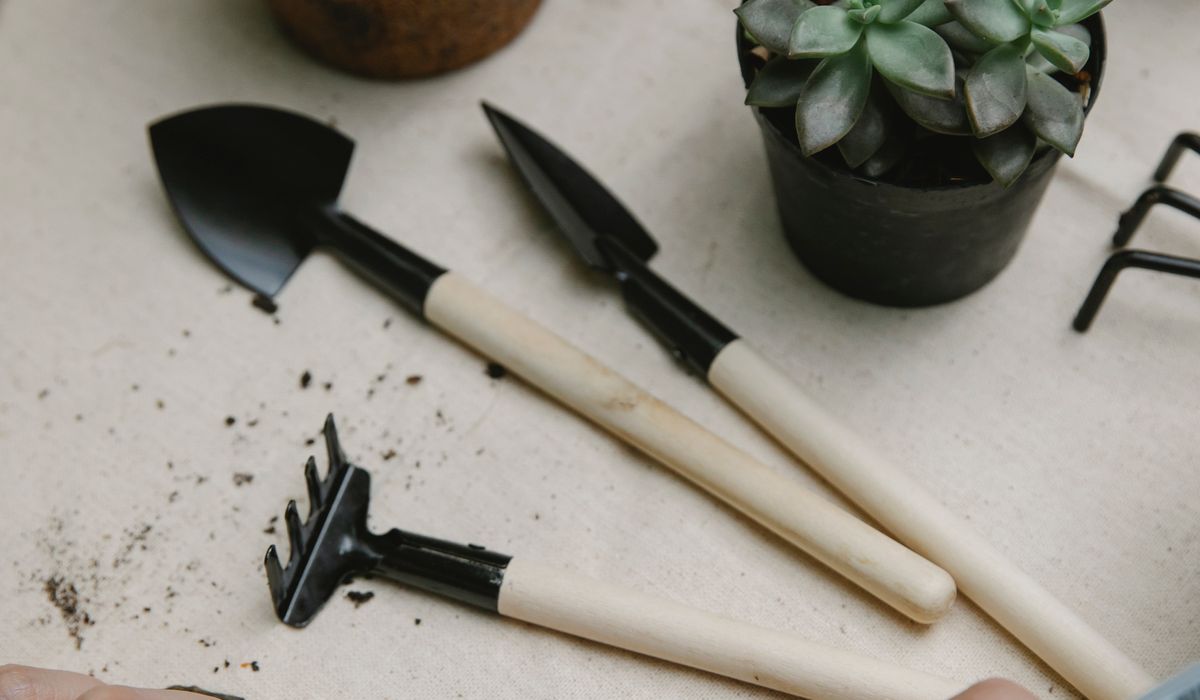
Raised beds are one of the great pleasures of a cottage garden. The soil warms quickly in spring, drains beautifully, and you can work them without treading on the ground you grow in. But those same qualities mean they take a battering over winter. Exposed to wind and driving rain, a raised bed can lose nutrients, structure and topsoil long before spring arrives. A couple of focused afternoons now will pay you back many times over, and with a little planning you can keep harvesting right through the cold months.
The principle is simple: clear what has finished, feed what is left, and cover the soil so the weather cannot wash it away. Then sow the crops that genuinely enjoy the colder half of the year.
Start by walking round with a basket and being ruthless. Tomatoes, courgettes, runner beans, cucumbers and sweetcorn are all finished by now and will only harbour slugs, mildew and the odd overwintering pest. Pull them up, roots and all, and add the healthy material to the compost heap. Anything showing blight, white rot or powdery mildew should go in the green waste bin instead, not on your heap.
As each bed empties, look at what is underneath. Fork it over gently to a depth of about 15cm, removing stones and perennial weed roots such as bindweed and couch grass. Do not dig deeply or turn the soil over — you would only disturb the worm channels and fungal networks that took all summer to build. A light tickle with a hand fork is usually enough.
Leaves of kale, chard, leeks and winter salads should stay exactly where they are. Mark them clearly with a label so you do not accidentally dig them up later.
Autumn is the best time of year to add organic matter, because worms and soil life have months to work it in before you plant. Spread a generous 5–8cm layer of well-rotted garden compost or manure over the surface of each cleared bed. You do not need to dig it in; the worms will do that for you, and the layer itself acts as a blanket against the rain.
If your compost is thin on the ground, here are some good alternatives:
Do not add fresh manure straight onto a bed you intend to sow immediately; it can scorch young roots. Let it sit on the surface for a few weeks first.
British winters are getting wetter, and a bare raised bed in November can lose a startling amount of goodness to run-off. There are several ways to shield it, and which you choose depends on what you plan to do next.
It is worth raising the level of soil slightly towards the middle of each bed so that water drains to the edges rather than pooling around your plants.
If you garden in the south, west or near the coast, or your raised beds enjoy a sheltered, sunny spot, there is still plenty of time to sow. Winter salads are the easiest win — sow land cress, corn salad (lamb's lettuce), winter purslane and mustard in shallow drills about 1cm deep, and thin them to 10cm apart. A cloche or a double layer of fleece will keep them cropping through the worst of the weather.
Kale is remarkably tough. Sow 'Red Russian' or 'Nero di Toscana' now and you can pick young leaves from late winter onwards. Plant them firmly, water them in well, and net the bed against pigeons, which will strip a row in a morning.
Broad beans are the classic overwintering crop. Sow 'Aquadulce Claudia' in a double row, 5cm deep and 20cm apart, any time from late October to mid-November. They will sit quietly through the cold and give you a much earlier crop than a spring sowing. If mice are a nuisance, start them in modules under cover and plant out once they have two pairs of leaves. Pinch out the growing tips in early summer to deter blackfly.
Firm everything in gently with the back of a rake, water newly sown rows if the ground is dry, and label clearly — winter memory is unreliable. Check that cloches and netting are properly pegged down, and move any pots of herbs to the shelter of a wall. Finally, sharpen your tools, tidy the shed, and take a moment to enjoy the quiet. A well-prepared raised bed in December is one of the kindest gifts you can give your spring self.

The Willow Dell Simple, genuine and looked after with care — the kind of place worth returning to.

The Willow Dell Real stories, useful guides and the occasional recommendation, all in one calm corner of the web.

Herbs need good light and free-draining compost. Choose basil, parsley, chives and mint, water sparingly and harvest regularly to encourage bushy regrowth.

Comments
ALina Kelian
19th May 2018 ReplyThe Willow Dell No rushing, no fuss — just thoughtful notes and practical help, written by people who care. ullamco laboris nisi ut aliquip ex ea commodo consequat.
Rlex Kelian
19th May 2018 ReplyThe Willow Dell Simple, genuine and looked after with care — the kind of place worth returning to. ullamco laboris nisi ut aliquip commodo.
Roboto Alex
21th May 2018 ReplyThe Willow Dell We spend our time finding what works so you don't have to, and sharing exactly what made the difference. ullamco laboris nisi ut aliquip ex ea commodo consequat.