

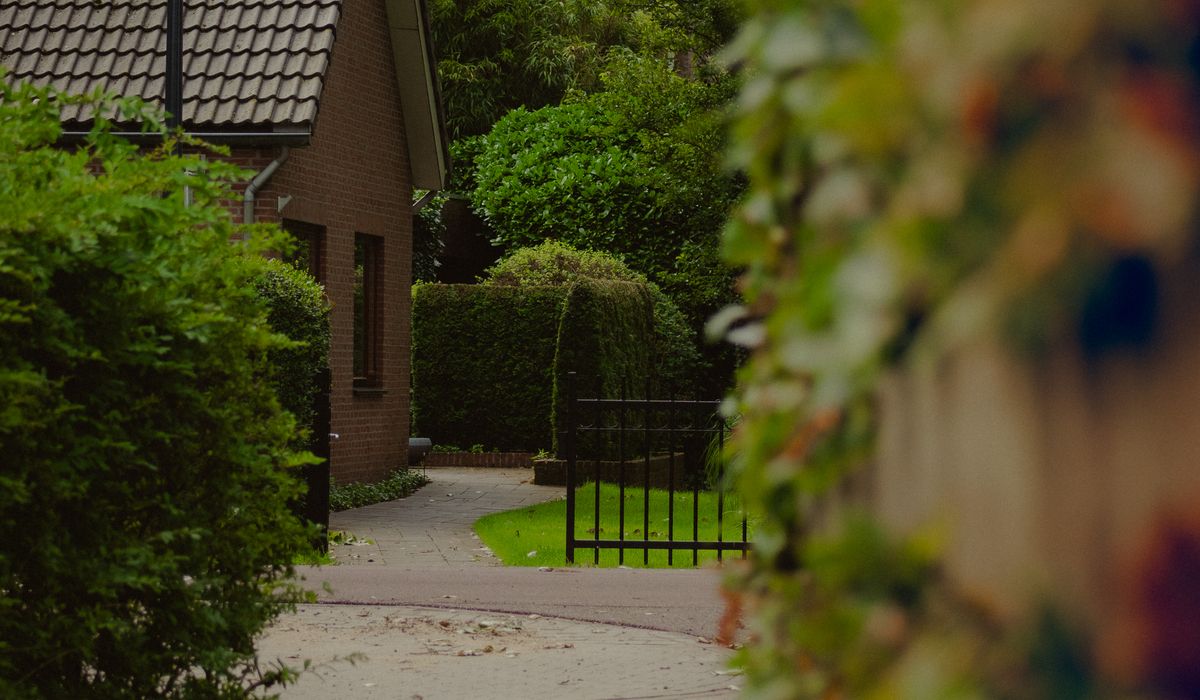
Shady borders can feel like the awkward corner of the garden. Nothing seems to thrive, the soil is often dry and rooty, and by midsummer the whole area is in deep gloom. But shift your attention to the first three months of the year and everything changes. In February and March, the trees above are still bare, and a surprising amount of light reaches the ground. That window, before the canopy closes, is when woodland bulbs do their work — and it is one of the most rewarding things a cottage gardener can plan for.
The key to success in shade is timing rather than tolerance. Most spring bulbs are not shade plants at all; they are plants that exploit a gap. Snowdrops, daffodils and wood anemones all evolved on the floor of deciduous woodland, where they complete their entire season of growth, flower and seed set before the leaves above unfurl.
That means you can plant far more boldly than you might expect. A north-facing border beneath an old apple tree, a strip along a hedge, or the ground under a mature oak will all support bulbs provided the soil is not waterlogged and the area gets a few hours of filtered light in late winter.
What matters most is the soil. Shade under trees is usually dry, dusty and full of fine roots competing for every drop of moisture. Before planting anything, fork in a generous barrowload of leaf mould or well-rotted garden compost per square metre. This holds moisture, feeds the bulbs and makes it far easier to get a trowel into the ground.
No shady border is complete without snowdrops. They are tough, long-lived and increase steadily once settled, forming those lovely milky drifts that signal the end of winter.
The best time to move or divide snowdrops is in the green, immediately after flowering while the leaves are still active. Bare bulbs bought dry in autumn can work, but they resent drying out and often sulk for a year or more. Plant them about 8cm deep, in small clumps of five to ten, and water them in well. Sprinkle a little leaf mould over the surface each autumn and they will look after themselves.
Daffodils are the backbone of any naturalised planting, but not all are equal under trees. The big, blowsy trumpet varieties bred for cutting need more sun to flower well. Look instead towards the smaller, woodland types.
Plant daffodils at roughly three times their own depth — about 15cm for most — and space them 10–15cm apart. In heavy clay, sit each bulb on a handful of grit or sharp sand to stop it rotting over winter. Left undisturbed, most will flower for decades and multiply into generous clumps.
Wood anemones are the quiet stars of a shady border. Anemone nemorosa carpets the ground with starry white flowers in March and April and then disappears entirely by June, which makes it an ideal companion for later perennials.
Its roots are slender and brittle, so buy plants in pots or as rhizomes in early spring and handle them gently. Plant just 3–5cm deep in humus-rich soil and keep them moist for the first season. Once happy, they will spread slowly into a beautiful, low-maintenance carpet. Named forms such as the lavender-blue 'Robinsoniana' or the double white 'Vestal' are worth seeking out.
Alongside them, consider a few other willing naturalisers:
Few of us have endless space in the shade, so make the ground work harder by layering bulbs at different depths. This "lasagne" approach is simple and very effective.
Dig out a patch to about 20cm, fork the base, and place the largest and latest bulbs — daffodils and fritillaries — at the bottom. Cover with a few centimetres of soil, then set snowdrops and cyclamen in the middle layer. Finish with the smallest early bulbs, such as crocus and winter aconite, just below the surface. Mark the area with a discreet label or a few short canes so you do not slice through it later with a hoe.
If you garden on heavy clay, plant on a slight ridge rather than in a hollow, and add grit liberally. Bulbs rot far more readily in winter wet than they suffer from cold.
The single most important rule with naturalising bulbs is to leave the foliage alone. Those leaves are the bulb's solar panels, and cutting them back early starves next year's flower. Wait at least six weeks after flowering, until the leaves have yellowed and collapsed, before tidying them away.
In a border that also holds herbaceous plants, this is easy — the emerging hostas and hardy geraniums will hide the dying foliage for you. Under grass, simply delay the first cut until late May or early June.
Feed once a year with a light scattering of blood, fish and bone as the shoots break the surface, and divide congested clumps of snowdrops every few years while still in leaf. Do that, and a dull corner beneath the trees will quietly become the most looked-forward-to part of your garden each spring.

The Willow Dell Simple, genuine and looked after with care — the kind of place worth returning to.

The Willow Dell Real stories, useful guides and the occasional recommendation, all in one calm corner of the web.

Autumn is ideal for planting, dividing perennials and clearing spent growth. Collect leaves for leafmould, prune lightly and protect tender plants before frost arrives.

Comments
ALina Kelian
19th May 2018 ReplyThe Willow Dell No rushing, no fuss — just thoughtful notes and practical help, written by people who care. ullamco laboris nisi ut aliquip ex ea commodo consequat.
Rlex Kelian
19th May 2018 ReplyThe Willow Dell Simple, genuine and looked after with care — the kind of place worth returning to. ullamco laboris nisi ut aliquip commodo.
Roboto Alex
21th May 2018 ReplyThe Willow Dell We spend our time finding what works so you don't have to, and sharing exactly what made the difference. ullamco laboris nisi ut aliquip ex ea commodo consequat.