

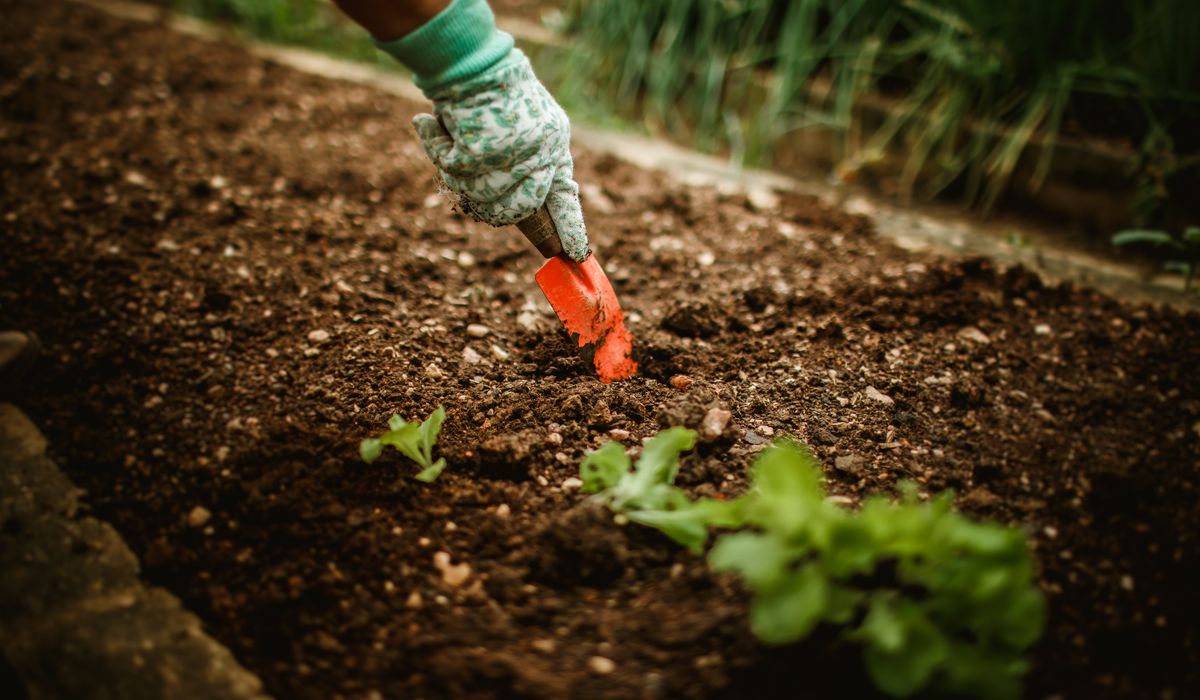
When the sun beats down for days on end and the lawn starts to crackle underfoot, a quick daily sprinkle with the watering can feels like the right thing to do. It rarely is. Shallow watering only ever damps the top inch or two of soil, and that encourages roots to stay near the surface where they're at the mercy of every hot afternoon. The plants look fine for a week, then collapse the moment you miss a day.
Watering deeply and less often builds a far more resilient garden. A proper soak — enough to reach 15–20cm (6–8in) below the surface — draws roots downward into cooler, damper ground, and those deeper roots will carry a plant through a fortnight of drought. Aim for one thorough watering a week rather than a daily flick of the can, and two in the height of summer for hungry crops in free-draining soil.
One word of caution: on heavy clay, water can run off before it has a chance to sink in. Water in stages instead, giving the first canful ten minutes to disappear before adding the next. It sounds fussy, but it's the difference between a soak and a wasted afternoon.
Water at dawn if you possibly can. The soil is cool, evaporation is at its lowest, and any splashes on the foliage have the whole day to dry — which matters enormously for roses, courgettes and tomatoes prone to mildew and black spot.
Early evening is a reasonable second choice, but leaves that stay wet overnight are an open invitation to disease. Midday watering is the one to avoid: a startling amount is lost to the air before it ever reaches a root, and droplets sitting on leaves in full sun can scorch them.
If mornings are impossible in your household, water the soil rather than the plant and keep the spout low. A slow drink at the base always beats a shower from above.
If you do only one thing to prepare for a dry spell, make it mulching. A layer of well-rotted manure, garden compost, leafmould or bark chippings 5–8cm (2–3in) deep across your borders can cut moisture loss from the soil surface dramatically, and it keeps the ground several degrees cooler besides.
Always mulch onto already-damp soil — after watering or rain — otherwise you're simply trapping dryness in. Keep the material clear of stems, crowns and tree trunks to avoid rot setting in, and top it up through the season as it settles. Grass clippings, straw and even shredded paper will do the job on the vegetable patch at a push.
Where the water lands matters as much as how much you use. A few tried-and-tested techniques:
Not everything in the garden needs the same treatment, and rationing your effort pays dividends. Give priority to newly planted shrubs, trees and perennials in their first two years, whose roots haven't yet reached out into the wider soil. Containers, hanging baskets and anything under glass dry out far faster than open ground and will need checking daily in hot weather.
Then there are the hungry crops — runner beans, courgettes, tomatoes, cucumbers, salad leaves — which need steady moisture once they're flowering and fruiting. Moisture-lovers such as hydrangeas, hostas and ferns will be the first to flag, so keep an eye on them.
By contrast, established trees and shrubs, along with lavender, rosemary, thyme and most Mediterranean herbs, will ride out a dry spell with barely a complaint. Lawns will go brown and green up again after rain, so don't waste a drop on them.
Hosepipe bans are a familiar feature of British summers, and they're no bad prompt to rethink how we use water. A water butt on every downpipe is the obvious starting point, and grey water from the bath or washing-up bowl can be tipped onto ornamental borders and mature shrubs — though not onto edibles you'll eat raw.
Group pots together so they shade one another, move containers into dappled shade during a heatwave, and check outdoor taps and hoses for leaks. Above all, before you reach for the can, push a finger into the soil. If it's damp 5cm down, walk away. It remains the most reliable moisture meter ever invented, and it costs nothing at all.

The Willow Dell Simple, genuine and looked after with care — the kind of place worth returning to.

The Willow Dell Real stories, useful guides and the occasional recommendation, all in one calm corner of the web.

Choose single, open flowers that provide nectar and pollen from spring to autumn. Avoid double blooms and leave seed heads for birds and overwintering insects.

Comments
ALina Kelian
19th May 2018 ReplyThe Willow Dell No rushing, no fuss — just thoughtful notes and practical help, written by people who care. ullamco laboris nisi ut aliquip ex ea commodo consequat.
Rlex Kelian
19th May 2018 ReplyThe Willow Dell Simple, genuine and looked after with care — the kind of place worth returning to. ullamco laboris nisi ut aliquip commodo.
Roboto Alex
21th May 2018 ReplyThe Willow Dell We spend our time finding what works so you don't have to, and sharing exactly what made the difference. ullamco laboris nisi ut aliquip ex ea commodo consequat.